Follow Me On Social Media!
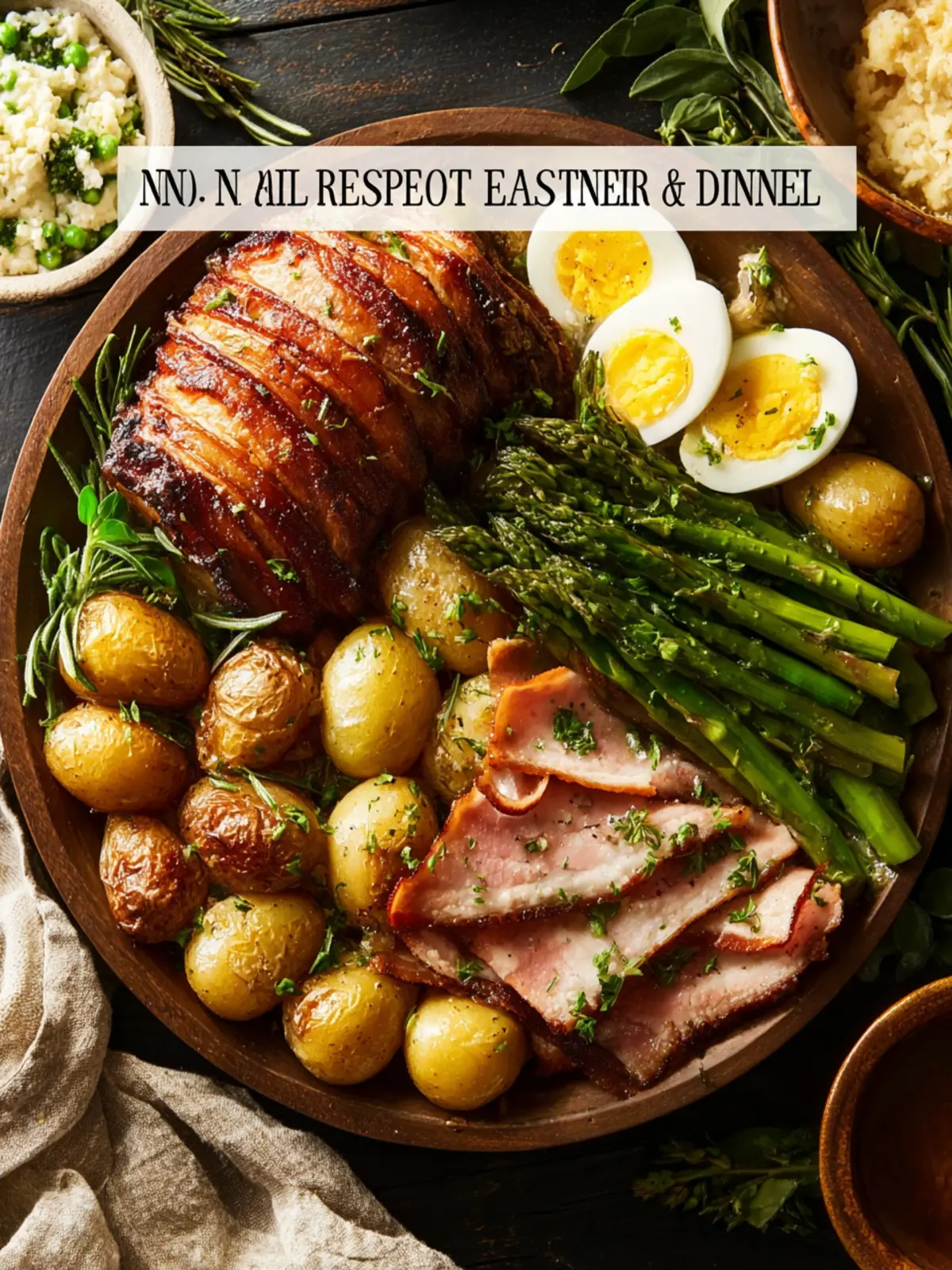
Non-Traditional Easter Dinner Ideas for an Unforgettable Feast

Introduction to Non-Traditional Easter Dinner Ideas When You’re Skipping the Ham
As Easter approaches, non-traditional Easter dinner ideas might seem like an unconventional choice, especially when many families gather around the table for their classic ham feast. However, embracing the unexpected can lead to delightful culinary experiences that everyone will remember. Imagine a vibrant table adorned with fresh flavors and unique dishes that reflect your personal tastes rather than sticking to age-old traditions.
Why consider non-traditional options for Easter dinner? For many, the holiday is about celebrating renewal and life, making it the perfect time to explore new culinary horizons. A unique Easter dinner allows you to introduce global cuisines, seasonal ingredients, and inventive flavor combinations that excite the palate in ways ham simply can’t. Whether you’re vegetarian, looking for healthier alternatives, or just ready for a change, stepping off the beaten path can be both rewarding and delicious.
Creating an unforgettable Easter meal is an opportunity for friends and family to bond over a shared love of food. Dishes like savory lasagnas, grilled vegetable platters, or a hearty seafood paella can be the stars of your table. They showcase creativity while still fitting into the festive spirit of the occasion. By opting for non-traditional dishes, you also open the door to celebrate various cultures, adding a splash of international flair to your dinner table.
When considering your non-traditional Easter dinner ideas, think about incorporating bright herbs, fresh vegetables, and perhaps cooking with an international flair. Trendy dishes today often include flavorful grains, zesty salsas, or even gourmet pizzas topped with seasonal ingredients. Not only does this approach appeal to a range of dietary preferences, but it also encourages everyone at the table to try something new—sparking conversations and shared excitement.
So gather around as we explore a variety of non-traditional Easter dinner ideas that will please both traditionalists and adventurous eaters alike.
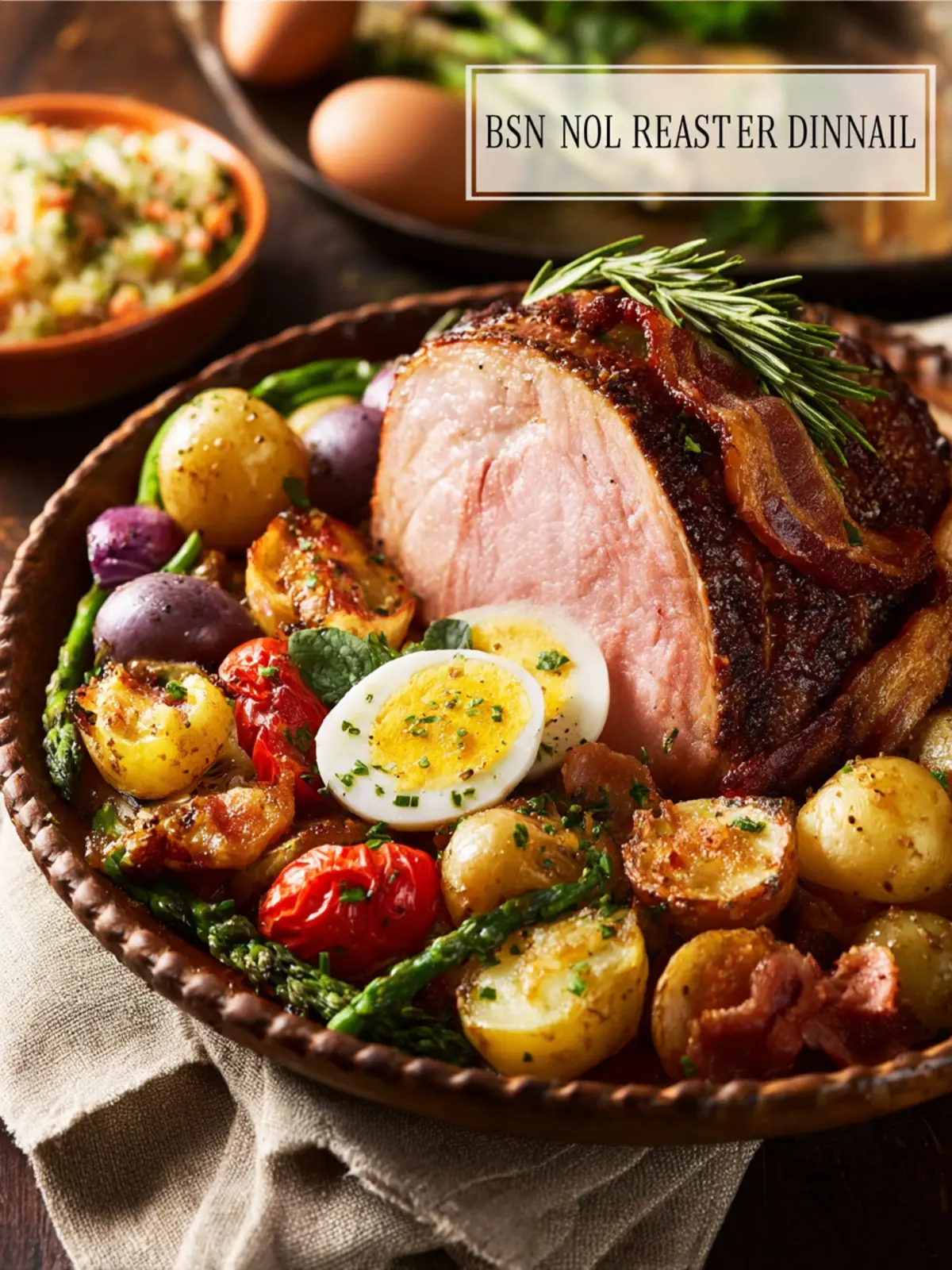
Key Ingredients for Non-Traditional Easter Dinner
For a non-traditional Easter dinner that breaks away from the classic ham while still bringing vibrant flavors to your table, selecting the right ingredients is essential. Let’s explore some key components that will elevate your meal into a memorable experience.
Main Protein: Opt for a succulent roast chicken or a flavorful leg of lamb. Both of these choices marinate beautifully, allowing spices and herbs to infuse them with rich flavors. A slow roast ensures juicy, tender meat that will impress your guests.
Seasonal Vegetables: Utilize a variety of spring vegetables like asparagus, radishes, and baby carrots to create a colorful and fresh side dish. Roasting them with olive oil will caramelize their natural sugars and bring sweetness to the plate.
Grains: Consider adding quinoa or farro as a hearty base for a grain salad. Toss them with herbs and a light vinaigrette for a refreshing complement to the main protein.
Herbs and Spices: Fresh herbs like parsley, dill, or mint can elevate your dishes by adding brightness. Don’t shy away from spices like paprika and cumin to enhance the overall depth of flavor in your meal.
By focusing on these key ingredients, your non-traditional Easter dinner will not only skip the ham but also offer a delightful culinary adventure for all your guests.
Why You’ll Love This Recipe
When you think of non-traditional Easter dinner ideas, envision a vibrant table filled with fresh flavors and bright colors that celebrate the season in a new way. Picture not just the usual ham, but instead, dishes that spark conversation and intrigue among your guests.
-
Unique Twist: This recipe isn’t just a great alternative; it redefines your Easter experience. Imagine delighting your family with unexpected, mouthwatering flavors that they’ll be talking about long after the meal is over.
-
Fresh Ingredients: It’s all about using the best ingredients available. Whether it’s fresh herbs or seasonal vegetables, each component enhances the overall dish, giving a burst of flavor that can only come from fresh produce.
-
Customizable Options: One of the best parts about this recipe is its adaptability. Feel free to swap in your favorite vegetables or proteins, allowing you to cater to dietary preferences and create something entirely your own.
-
Memorable Experience: Sharing a meal is about so much more than just food; it’s about experiences. Creating a delicious, non-traditional feast allows you to bring everyone together, fostering connections and making new memories.
Incorporating non-traditional Easter dinner ideas lets you celebrate with a fresh approach to the holiday, making it not just a meal—it’s an unforgettable gathering.
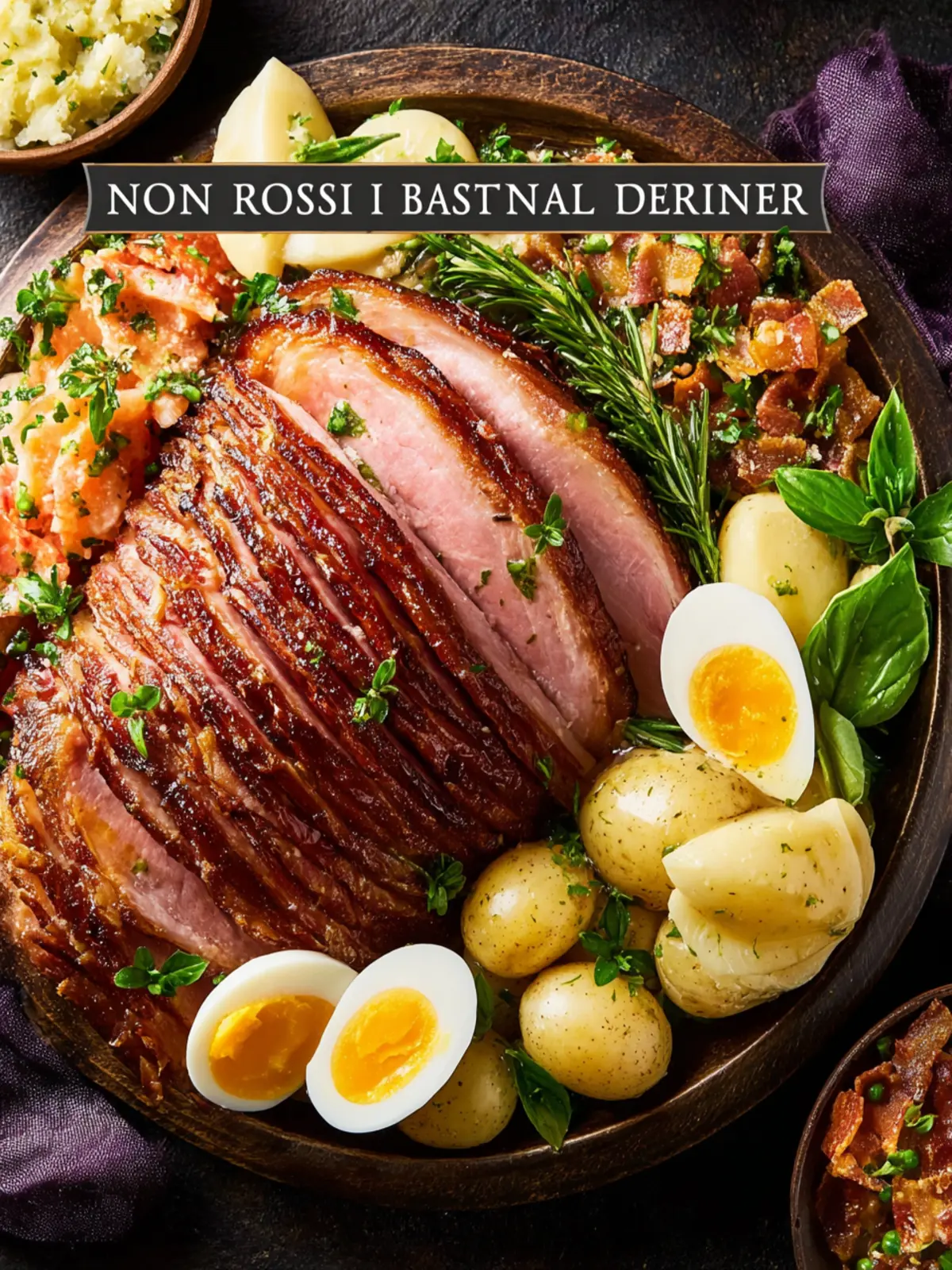
Variations of Non-Traditional Easter Dinners
Easter celebrations can take on many flavors beyond the traditional ham, allowing us to explore exciting, non-traditional Easter dinner ideas that infuse a bit of creativity into our holiday table. Picture this: a cozy gathering with friends, where instead of the conventional dishes, you serve delightful surprises that spark conversations and inspire new traditions.
Flavorful Alternatives to Ham
-
Herb-Roasted Chicken: This ever-popular option is juicy and satisfying, with a blend of rosemary, thyme, and garlic to elevate the flavor. Served with seasonal veggies, it provides a fresh take on dinner.
-
Mediterranean Grilled Salmon: Infused with zesty lemon, olive oil, and a sprinkle of dill, this dish offers a light and refreshing contrast to traditional fare, perfect for spring.
-
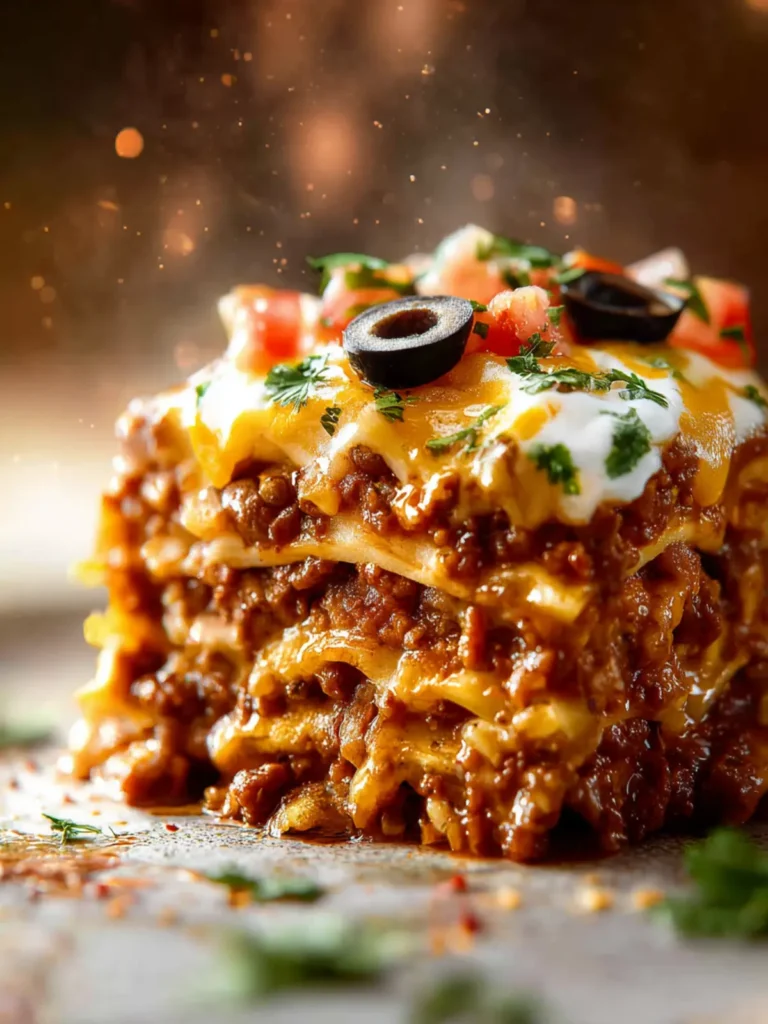
Vegetable Lasagna: Layers of roasted vegetables, ricotta, and a homemade marinara sauce create a rich and hearty dish that even the non-vegetarians will appreciate.
-
Quinoa-Stuffed Peppers: Packed with protein and vibrant colors, these peppers can be filled with a mix of spices, beans, and cheese. They look stunning and taste divine.
Unique Sides to Enhance the Meal
- Saffron Risotto: Creamy risotto with a hint of saffron will add elegance and sophistication to your dinner table.
- Asparagus with Lemon Zest: This simple yet vibrant side dish provides a crisp element that balances richer main courses.
Daring to break the mold with non-traditional Easter dinner ideas allows you to explore flavors and dishes that speak to you and your guests, making your celebration memorable and delicious.
Cooking Tips and Notes for Perfect Brisket
When it comes to crafting non-traditional Easter dinner ideas, a well-prepared brisket can steal the show. Achieving that ideal brisket is both an art and a science—let’s dive into some tips that can help you master this flavorful dish.
Select the Right Cut
Choosing the perfect brisket begins with selecting the right cut. A whole packer brisket contains both the flat and the point. The point is marbled with more fat, making it tender and juicy, while the flat offers leaner slices. If you’re unsure, don’t hesitate to ask your butcher for recommendations based on your cooking method.
Don’t Rush the Seasoning
Allowing your brisket to marinate overnight in a flavorful rub can elevate your dish significantly. Combine kosher salt, black pepper, garlic powder, and paprika for a classic rub. Feel free to experiment with spices that resonate with your palate—this is an opportunity for creativity!
Low and Slow Cooking
Once you’re ready to cook, remember the golden rule: low and slow is the name of the game. Whether you’re using a smoker, an oven, or a slow cooker, aim for a temperature around 225°F to 250°F. Patience is key; excellent brisket usually takes several hours to tenderize.
Wrap It Up
As your brisket approaches the final cooking stage, consider wrapping it in butcher paper or aluminum foil to retain moisture. This technique, sometimes referred to as the “Texas Crutch,” allows the meat to cook evenly and become fork-tender.
By following these simple yet effective guidelines, your brisket can transform into a flavorful centerpiece for your non-traditional Easter dinner, leaving your guests wondering why they ever thought ham was the only option. Happy cooking!
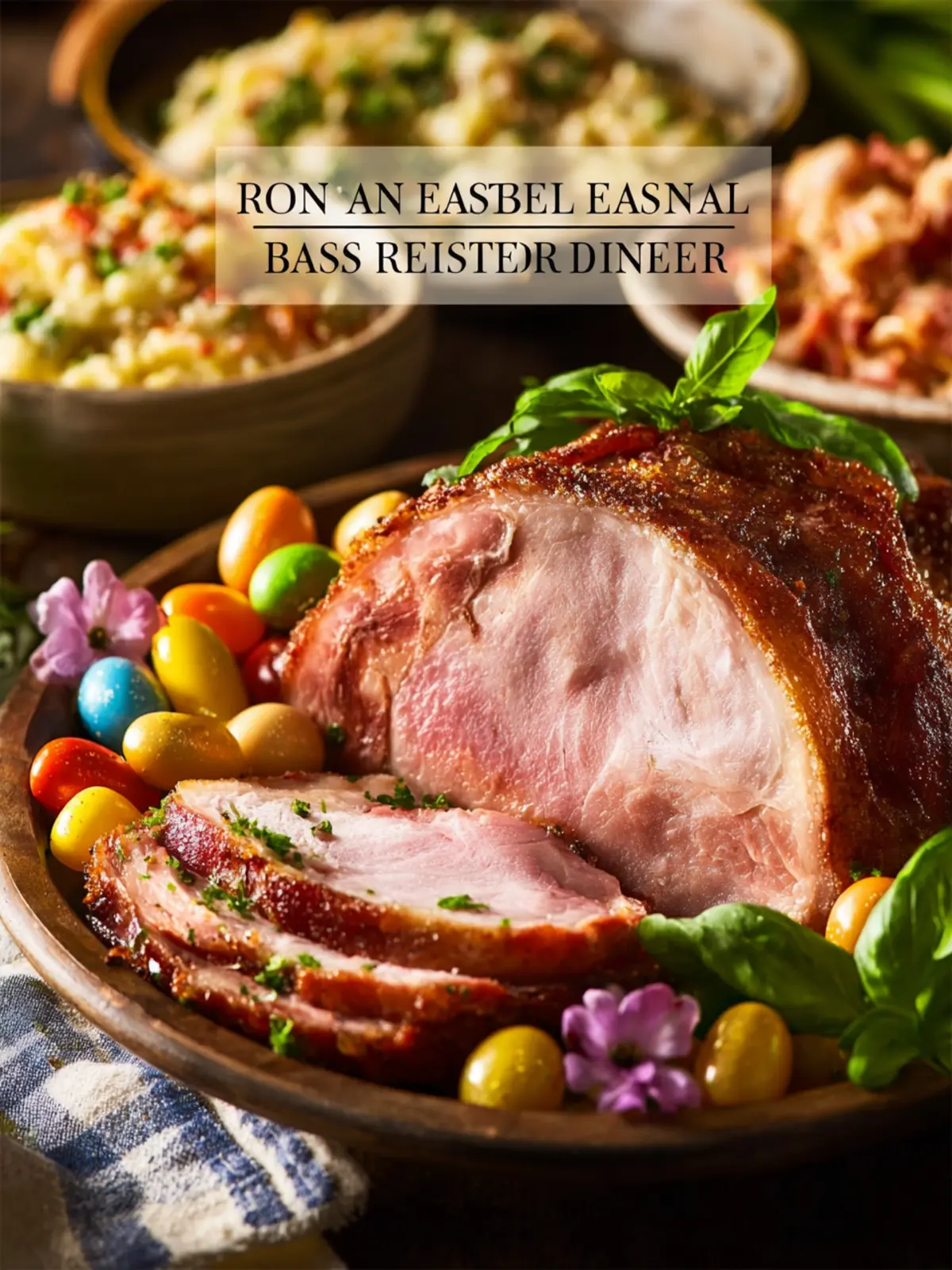
Serving Suggestions for Your Easter Feast
Creating a memorable Easter feast doesn’t have to mean serving the same old dishes. With non-traditional Easter dinner ideas, you can delight your guests with fresh flavors and exciting pairings. Start by curating a bright, colorful table setting that reflects the joy of the season. Consider these suggestions for a well-rounded meal:
-
Appetizers: Offer a selection of vibrant, seasonal salads, like a citrus and fennel salad or a simple beet and goat cheese dish. These add zest and freshness right from the beginning.
-
Main Attraction: For your centerpiece, consider a roasted vegetable tart or stuffed portobello mushrooms that are both visually appealing and deliciously satisfying.
-
Sides Galore: Enhance your feast with side dishes like creamy garlic mashed potatoes or a quinoa salad with herbs and lemon—the perfect balance to your main dish.
-
Decadent Desserts: Finally, round out your meal with a light dessert, like a strawberry pavlova or a lemon tart. These sweet finales are sure to impress and pair beautifully with warm coffee or herbal tea.
With a little creativity, your Easter feast can be a unique celebration of flavors and togetherness.
Time Breakdown for Cooking a Brisket
Cooking a brisket, perfect for your non-traditional Easter dinner ideas, requires careful timing to ensure a mouthwatering result. Here’s a quick overview of what to expect:
Prep Time
Allocating about 30 minutes for preparation is crucial. This includes trimming the brisket, seasoning it generously with your favorite rub, and letting it rest at room temperature to absorb those flavors.
Cooking Time
Brisket benefits from low and slow cooking. Expect to spend approximately 8-12 hours in the oven or smoker at around 225°F to 250°F. This may seem long, but trust the process—it’s worth it!
Resting Time
Once cooked, allow your brisket to rest for at least an hour. This step is essential for reabsorbing the juices, making every bite incredibly tender and flavorful.
Planning your time wisely makes all the difference in creating a memorable centerpiece for your special occasion.
Nutritional Facts for Brisket
Selecting brisket as your main dish for a non-traditional Easter dinner can bring both flavor and nutrition to the table. With its rich taste and delightful texture, it’s not just a satisfying choice; it’s also packed with important nutrients that can enhance your meal.
Calories
A serving of brisket typically contains around 250-300 calories, depending on the cut and preparation methods. This makes it a hearty but manageable option for any festive gathering.
Protein
Brisket is an excellent source of protein, offering approximately 20-25 grams per serving. This is important for muscle building and repair, making it a great choice for those looking to maintain a healthy diet.
Sodium
While brisket does contain sodium, especially if seasoned or cured, typical servings hold around 70-90 mg. Being mindful of sodium intake can help keep your meal heart-healthy without sacrificing flavor.
FAQ about Non-Traditional Easter Dinners
When it comes to non-traditional Easter dinner ideas, families often seek alternatives to the classic ham centerpiece. Maybe you’re craving something unique that reflects your personal taste or dietary preferences. Whether you’re aiming for brisket, a vibrant ratatouille, or even grilled salmon, the possibilities are plenty, and there’s no right or wrong way to celebrate the occasion.
What are some alternatives to ham for Easter dinner?
If you’re skipping the ham this year, consider these enticing options:
- Brisket: A hearty, slow-cooked brisket can be incredibly flavorful and serve as an impressive centerpiece.
- Vegetarian and Vegan Options: Think stuffed bell peppers or a colorful vegetable lasagna loaded with seasonal produce.
- Fish: Grilled or baked fish, such as salmon or halibut, offers a lighter yet satisfying choice.
- Poultry: A herb-roasted chicken or a spiced turkey can easily elevate your dinner experience.
How do I know when my brisket is done?
The best way to determine if your brisket is ready is to check the internal temperature. It should reach about 195°F to 205°F for optimal tenderness. You can also perform a tenderness test by inserting a fork into the meat—it should effortlessly pull apart.
Can I prepare brisket in advance?
Absolutely! In fact, preparing brisket the day before can enhance the flavor. Once cooked, let it cool, then refrigerate it. Before serving, you can gently reheat it in the oven with a touch of broth or your favorite barbecue sauce. This method ensures that your brisket remains juicy and flavorful for your non-traditional Easter dinner.
Conclusion for Non-Traditional Easter Dinner Ideas
Incorporating non-traditional Easter dinner ideas into your holiday celebration can bring freshness and fun to your table. Whether you’re opting for savory dishes like roasted vegetables or adventurous flavors in a seafood paella, the possibilities are endless. Think of your dinner as an opportunity to bond, create memories, and perhaps even introduce your loved ones to a cuisine they’ve never tried before. Embrace the spirit of creativity this season! As you gather around your unique feast, reflect on the joy of sharing and the warmth of family, reminding everyone that it’s about togetherness, not tradition.
Print
12 Pound Brisket
- Total Time: 12 hours 30 minutes
- Yield: 10 servings 1x
- Diet: Omnivore
Description
This tender, flavorful brisket is smoked to perfection, ensuring a delicious meal for any occasion.
Ingredients
Scale
- 12 pounds brisket
- 2 tablespoons Kosher Salt (coarse)
- 1 tablespoon Black Pepper (fresh cracked)
- 2 tablespoons Dark Brown Sugar
- 2 tablespoons Smoked Paprika
- 2 tablespoons Granulated Garlic
- 1/3 cup Apple Cider (or Apple Juice)
Instructions
- Remove any silver skin or excess fat from the flat end of the muscle. Trim down the large portion of fat that looks like a crescent shape. Trim any excessive or loose meat and fat from the point of the meat.
- Square the edges so the meat cooks more evenly. Flip the brisket over and trim the top fat cap to about 1/4″ thickness. In a mixing bowl, mix the rub. Spread over the brisket.
- Preheat your smoker to 225℉ using super smoke and your favorite chips. Place the brisket on the smoker with the pointed end facing your main heat source. Close the lid and smoke until 165℉, about 8-9 hours.
- On a large work surface, roll out a big piece of peach butcher paper and center your brisket in the middle. Spray with apple juice. Wrap the brisket. Return the wrapped brisket to the smoker, seam side down so the weight from the brisket crimps the edges of the paper wrap down tight.
- Close the lid on the smoker and, maintaining 225℉, until the internal temperature of the brisket reaches 202℉ in the thickest part of the meat (takes anywhere from 3-4 hours).
- Remove the brisket to a large cooler and allow to rest for 2 hours before slicing. This is absolutely necessary and cannot be skipped in brisket smoking.
Notes
- Ensure to trim excess fat to achieve the best smoking results.
- Let the brisket rest after smoking for optimal tenderness and flavor.
- Prep Time: 30 minutes
- Cook Time: 12 hours
- Category: Main Course
- Method: Smoking
- Cuisine: American
Nutrition
- Serving Size: 1 slice
- Calories: 450
- Sugar: 5g
- Sodium: 800mg
- Fat: 25g
- Saturated Fat: 10g
- Unsaturated Fat: 10g
- Trans Fat: 0g
- Carbohydrates: 5g
- Fiber: 0g
- Protein: 50g
- Cholesterol: 120mg