Follow Me On Social Media!

Homemade Beignets: Irresistibly Fluffy and Sweet Delights

Introduction to Homemade Beignets
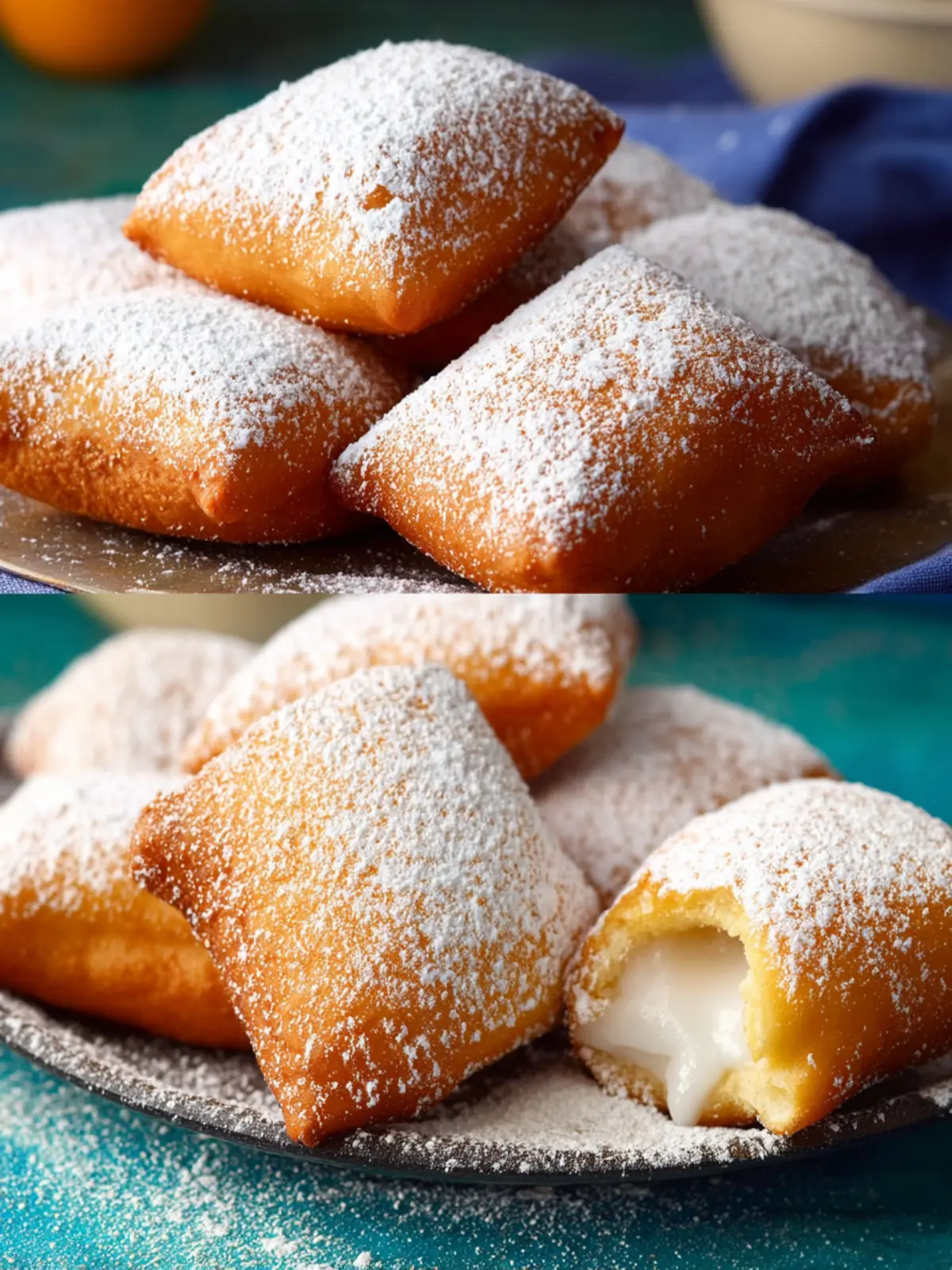
There’s something truly magical about homemade beignets—their fluffy, pillowy texture paired with a dusting of powdered sugar can transport you straight to the bustling streets of New Orleans. Imagine waking up to the aroma of freshly fried dough wafting through your kitchen, luring everyone to the table for a sweet morning treat. Whether they’re enjoyed with a cup of coffee or served as a decadent dessert, these delightful pastries are practically synonymous with charm and indulgence.
One of the secrets behind the irresistible nature of homemade beignets lies in the simplicity of their ingredients. With just a handful of pantry staples, you can whip up these treats that look and taste like they came from a bakery. There’s a comforting element in the act of making them yourself; they allow you to connect with old traditions while adding your own spin. Plus, there’s nothing quite like kneading the dough and watching it rise, knowing that you’re about to create something delicious.
They are often served on festive occasions, but beignets can also brighten an ordinary day. Picture yourself hosting a brunch, and as your guests take their first bites, their faces light up with the joy of that first taste. It’s moments like these that make cooking worthwhile.
So, what makes homemade beignets so irresistible? It’s about the contrast between the delicate, airy dough and the rich, fried exterior. When you bite into one, you experience a warm cloud of sweetness that dances on your taste buds, often accompanied by a hint of nostalgia. The soft interior is perfect for soaking up any chocolate or fruit sauce you may want to pair with it.
Stick around as we journey into the delicious world of homemade beignets, where I’ll guide you through each step of the process to ensure your baking experience is as delightful as the treats themselves. Let’s get frying!
Key Ingredients for Homemade Beignets
Crafting homemade beignets is like capturing a piece of New Orleans’ vibrant culinary culture in your kitchen. As you pull off this savory treat, remember that the right ingredients are key to creating that delightful, fluffy texture and sugary coating.
-
Flour: I opt for all-purpose flour for its versatility and perfect balance of gluten and tenderness. It’s the backbone of the beignet, ensuring they rise beautifully when fried.
-
Yeast: The magic begins with active dry yeast. This ingredient creates the airy pockets in your beignets, resulting in that characteristic lightness. Don’t skip the proofing step; it’s crucial for flavor and texture!
-
Milk: Warm milk adds richness and helps to activate the yeast. It’s essential for keeping your dough soft and supple.
-
Sugar: A little granulated sugar sweetens the dough, offering a subtle hint of sweetness. Just the right amount enhances the overall flavor without overpowering it.
-
Egg: Adding one large egg enriches the dough, contributing to its golden color and tender crumb. Make sure it’s at room temperature for best results.
-
Butter: Melted butter is what makes these beignets decadently rich. The butter flavor shines through, complementing the sweetness beautifully.
-
Salt: Don’t underestimate salt in dough. It not only enhances flavor but also strengthens the gluten, ensuring your beignets have a perfect chew.
With these ingredients in hand, you’re well on your way to mastering the art of homemade beignets. Each of these elements plays a vital role, turning simple dough into a piece of fried magic.
Why You’ll Love This Recipe
When you savor the delightful experience of making homemade beignets, you’re not just baking; you’re crafting a heartwarming tradition steeped in the rich culture of New Orleans. Picture yourself surrounded by the aroma of sweet dough as it fills your kitchen, creating a sense of warmth and joy that transcends ordinary baking.
Here are a few reasons why you will absolutely adore this recipe:
-
Simple and Fun to Make: This recipe invites you to roll up your sleeves and get your hands into the dough. It’s an enjoyable process that adds a touch of creativity and warmth to any gathering—whether it’s a weekend brunch or a cozy dessert after dinner.
-
Perfectly Soft and Fluffy: Imagine biting into a warm, fluffy beignet, the powdered sugar dusting providing a sweet companion to the soft interior. The texture is what sets homemade beignets apart, making every bite an irresistible delight.
-
Customizable Toppings: While traditional beignets are dusted with powdered sugar, you can also get creative with dips or flavored sugars. It’s a fun way to personalize each batch and impress your friends and family!
Not only does this recipe bring deliciousness, but it also rewards you with lasting memories that you can share with loved ones, making it a perfect choice for any occasion.
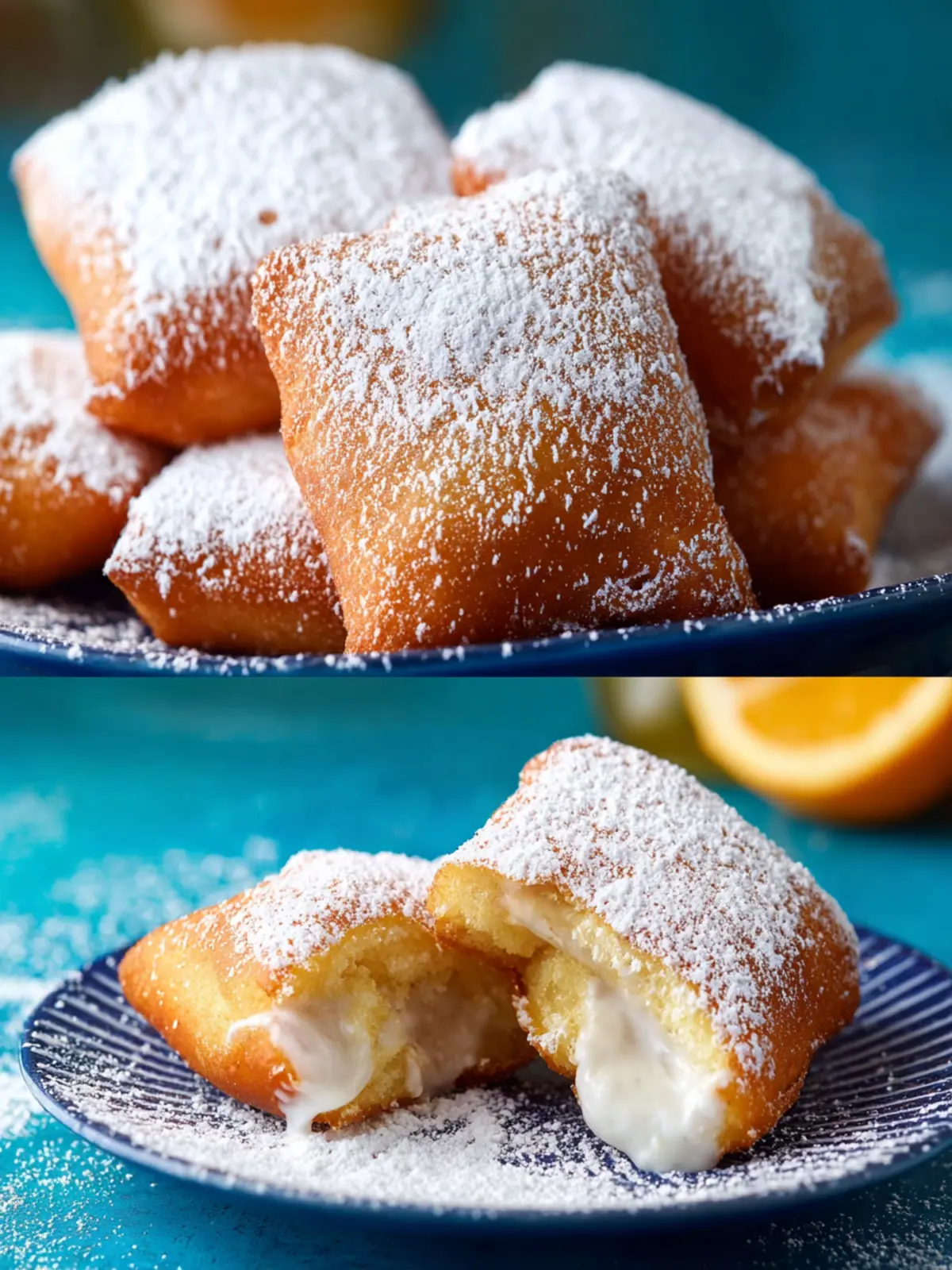
Variations on Beignets
As you dive into the delightful world of homemade beignets, you’ll quickly realize there’s no one-size-fits-all approach. These fluffy treats can be personalized to match your cravings and imagination.
-
Classic Beignets: Stick with the traditional square shape and dust them generously with powdered sugar. This is the iconic style you’ll find in New Orleans, delivering that classic sweet bite.
-
Filled Beignets: Want a twist? Consider filling your beignets with a luscious cream cheese, chocolate, or fruit filling. Simply pipe in your choice before frying for a delightful surprise with every bite.
-
Savory Beignets: Switch gears and create savory variations by incorporating herbs and cheese into the dough. Cheddar and chive or garlic and parsley can add a unique gourmet touch.
-
Cinnamon Sugar Beignets: After frying, toss your beignets in a mix of cinnamon and sugar. This warm, spiced coating offers an irresistible flavor that’s perfect for colder days.
Experimenting with these variations allows you to make homemade beignets that reflect your style and taste preferences, turning an already special treat into something even more personal and delightful.
Cooking Tips and Notes
Mastering Homemade Beignets
Creating homemade beignets can be an adventure that transforms your kitchen into a little piece of New Orleans. To ensure those perfectly light and fluffy pastries, here are a few cooking tips to elevate your beignet-making skills.
-
Dough Consistency: The texture of your dough is crucial. It should be soft but not too sticky. If you find it overly sticky, don’t hesitate to sprinkle a bit more flour. Paste too much though, and your beignets may end up dense instead of airy.
-
Resting Time: After mixing your ingredients, allow the dough to rest for at least an hour. This step is vital as it gives the yeast time to work its magic, ensuring your beignets turn out light and airy.
-
Oil Temperature: When frying, it’s essential to monitor the temperature of the oil closely. The ideal range is 350°F to 375°F. If the oil is too cool, your beignets can absorb excess oil, making them greasy. Too hot, and they’ll burn on the outside before cooking through.
-
Dusting Sugar: For a touch of sweetness, a generous dusting of powdered sugar is traditional. Consider adding spices like cinnamon for an unexpected twist. Your guests will surely be impressed!
The joy of enjoying warm homemade beignets with friends or family is a memory worth savoring. Happy cooking!
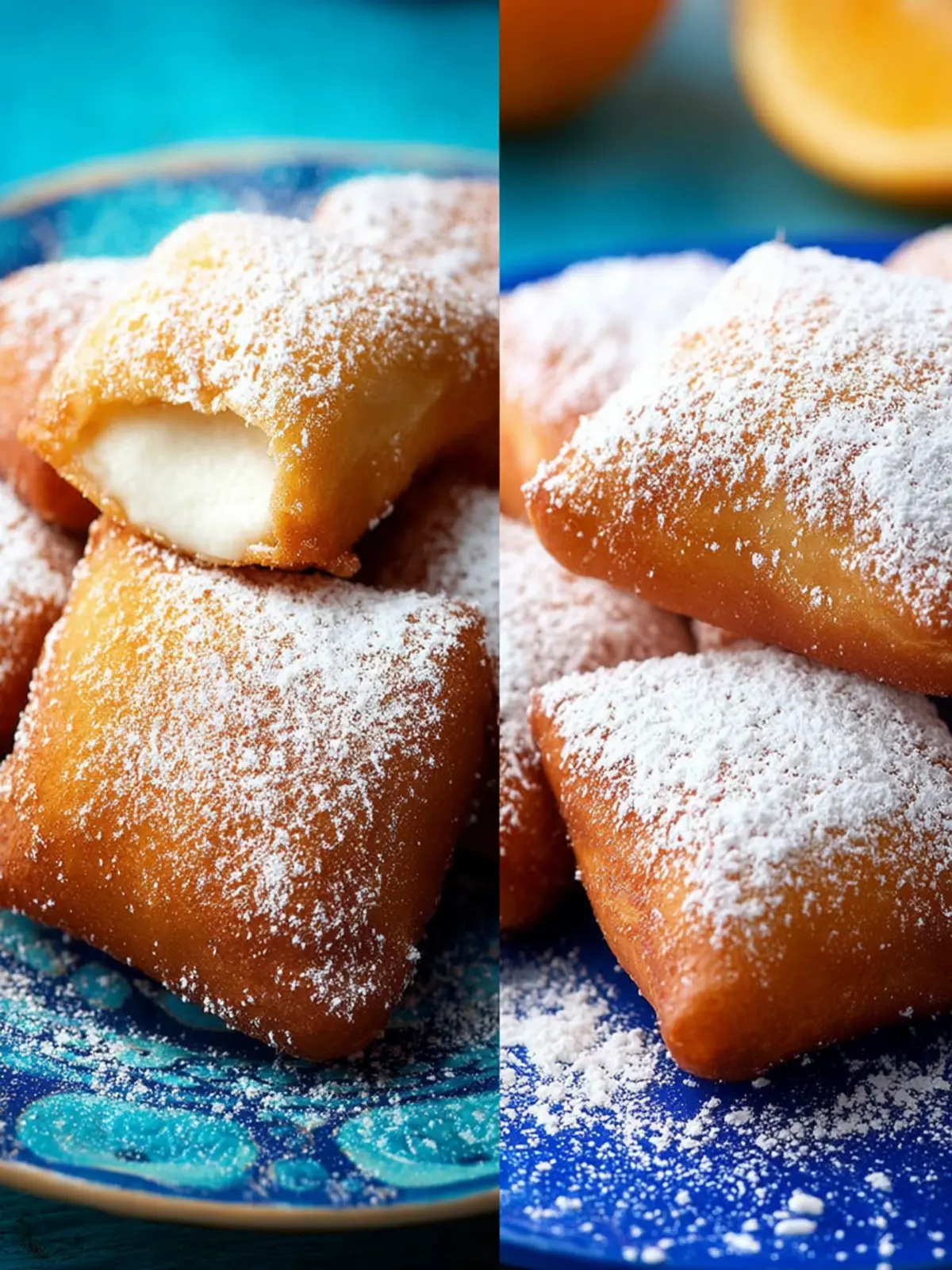
Serving Suggestions for Beignets
Enjoying homemade beignets isn’t just about the delightful puffs of dough; it’s also about the ways you serve them. Think of your beignets as little blank canvases, ready to be dressed up for an even more delicious experience.
Traditional Serving Style
- Powdered Sugar: The classic way to serve beignets is dusted generously with powdered sugar. Not only does it create that iconic look, but it also adds a sweet touch that complements the fluffiness perfectly.
Accompaniments
-
Coffee or Chicory: Pair your beignets with a strong cup of coffee or traditional New Orleans-style chicory coffee. The bitterness beautifully offsets the sweetness, creating a harmonious blend of flavors.
-
Fruit Preserves: For a fruity twist, consider serving beignets alongside artisan fruit preserves, such as raspberry or fig. The rich flavors enhance each bite and add a refreshing contrast.
Creative Dipping Sauces
- Chocolate Sauce: For those with a sweet tooth, drizzling warm chocolate sauce over your beignets can elevate the experience to a whole new level. Picture sinking the warm beignet into that luscious sauce—it’s pure indulgence.
Try these serving suggestions next time you’re indulging in your homemade beignets, and enjoy a unique twist that will satisfy both your cravings and your guests’ appetites!
Time Breakdown for Beignets
Creating your own homemade beignets is a delightful journey that transports you straight to the streets of New Orleans. With a mix of simple and charming moments, here’s how your time will flow in making these sweet treats:
Preparation Time
Getting everything ready takes about 15 minutes. This includes gathering your ingredients and mixing the dough, setting the stage for those fluffy delights.
Rising Time
Patience is key! Let the dough rise for about 1 hour. This crucial step allows it to develop that perfect lightness, making every bite a dream.
Frying Time
Frying those beignets doesn’t take long—around 5 minutes. You’ll want to keep an eye on them, as they turn a golden brown and puff up beautifully.
Total Time
In just 1 hour and 20 minutes, you can transform a few basic ingredients into a batch of delicious homemade beignets! Enjoy every sweet moment.
Nutritional Facts for Beignets
Homemade beignets are a delightful treat that can bring a sense of indulgence to any day. Understanding their nutritional content can help you enjoy them guilt-free. Here’s a quick overview:
Calories
Each serving of homemade beignets typically contains around 200-250 calories, depending on their size and how much sugar you add.
Carbohydrates
You can expect about 30-35 grams of carbohydrates per serving, making them a sweet option for a special occasion.
Sugars
Homemade beignets usually pack in about 10-15 grams of sugar, thanks to both the dough and the dusting of powdered sugar.
Fats
With approximately 10-15 grams of fat per serving, mostly from frying, these treats offer rich flavor.
Protein
Homemade beignets provide around 3-4 grams of protein, coming primarily from the flour and eggs used in the recipe.
Enjoy these delightful pastries in moderation, and you can savor each bite without worry!
FAQs about Homemade Beignets
Feeling the magic of New Orleans while creating delicious homemade beignets can be an uplifting experience. To help you perfect your beignet-making journey, here are some frequently asked questions that cover everything from preparation to serving.
Can I make the dough in advance?
Absolutely! You can prepare the dough for your homemade beignets the night before. Just mix the ingredients, let it rise once, and then refrigerate it. When you’re ready to fry, take it out and allow it to come to room temperature and rise again. This way, you’ll save time and can enjoy fresh beignets in no time!
How do I store leftover beignets?
If by chance you have leftover homemade beignets (a rare occurrence!), store them in an airtight container at room temperature for up to 2 days. To revive their freshness, you can pop them into an oven for a few minutes to regain their crispy texture.
What kind of oil is best for frying beignets?
When it comes to frying homemade beignets, oils with high smoke points, like canola oil or vegetable oil, are ideal. These options ensure the beignets fry evenly and absorb less grease, giving you that light and fluffy texture you’re looking for.
Can I bake beignets instead of frying them?
While traditional beignets are fried to achieve that delightful fluffy and crispy texture, you can bake them for a healthier twist. Just be cautious; the texture will differ. Roll the dough into balls, place them on a baking sheet, and bake until golden brown at around 375°F.
What can I serve with beignets?
Homemade beignets are delightful on their own, but pairing them with a variety of options elevates the experience. Serve them with a rich chocolate sauce, a dusting of powdered sugar, or even a side of coffee or chicory for that authentic New Orleans flair. Enjoy!
Conclusion on Homemade Beignets
Making homemade beignets is a delightful culinary adventure that invites everyone to indulge in a bit of New Orleans charm right from their kitchens. These soft, pillowy treats are perfect for breakfast or dessert, dusted with powdered sugar to create that quintessential café experience. As you savor each bite, it’s hard not to smile, remembering the joy of sharing these warm delights with family and friends. Whether you stick to the classic version or experiment with fillings, homemade beignets offer endless possibilities for creativity. So, why not gather your ingredients today and create your own beignet memories?
Print
Beignets
- Total Time: 2 hours 45 minutes
- Yield: 12 servings 1x
- Diet: Vegetarian
Description
A delicious recipe for fluffy beignets that are perfect for any occasion!
Ingredients
Scale
- 1 cup warm water (about 110°F)
- 1/4 cup granulated sugar
- 2 1/4 teaspoons (1 packet) active dry yeast
- 2 large eggs
- 1/2 cup milk
- 1 teaspoon vanilla extract
- 1/2 cup unsalted butter, melted
- 4 cups all-purpose flour
- 1/2 teaspoon salt
- Vegetable oil, for frying
- Powdered sugar, for dusting
Instructions
- In a large bowl, combine warm water, sugar, and yeast. Let sit for 5-10 minutes until foamy.
- Whisk in eggs, milk, vanilla extract, and melted butter.
- Add flour and salt gradually, mixing until a dough forms.
- Knead the dough until smooth, then cover and let rise in a warm place for 1-2 hours.
- Punch down the dough and roll it out on a floured surface to about 1/4-inch thickness.
- Cut into 2-inch squares and let rest while you heat oil in a deep fryer or large pot to 350°F.
- Fry beignets in batches until golden brown on both sides, about 2-3 minutes per side.
- Drain on paper towels and generously dust with powdered sugar. Serve warm.
Notes
- Ensure the water is warm but not boiling to avoid killing the yeast.
- Let the dough rise in a warm place to ensure proper fermentation.
- Prep Time: 15 minutes
- Cook Time: 30 minutes
- Category: Dessert
- Method: Frying
- Cuisine: French
Nutrition
- Serving Size: 1 beignet
- Calories: 200
- Sugar: 5g
- Sodium: 150mg
- Fat: 10g
- Saturated Fat: 5g
- Unsaturated Fat: 3g
- Trans Fat: 0g
- Carbohydrates: 25g
- Fiber: 1g
- Protein: 3g
- Cholesterol: 50mg