
Follow Me On Social Media!

Irresistibly Homemade Pasta: Your Best Comfort Food Fix

Introduction to Homemade Meals
There’s something truly special about creating homemade meals that resonates with many of us. Imagine the aroma of garlic sizzling in olive oil, the vibrant colors of fresh vegetables being tossed in a pan, and the satisfying sound of a knife chopping herbs on a wooden board. These simple yet profound moments contribute to a joyful experience that goes beyond just cooking.
Cooking at home isn’t merely about satisfying hunger; it’s a journey that fosters creativity, well-being, and connections with those around us. Each time we whip up a homemade dish, we’re crafting memories—whether it’s a cozy dinner shared with friends or a solo indulgence on a rainy afternoon. And let’s face it, the kitchen can be a sanctuary, a place where we can escape the frantic pace of our busy lives.
Why is cooking at home so rewarding?
When we take the time to prepare meals at home, we gain several benefits that extend far beyond the plate:
-
Healthier Choices: By cooking at home, you control the ingredients and can make healthier choices. You can swap out unhealthy fats for olive oil or choose whole grains instead of refined ones. This helps you maintain your nutritional goals more effectively.
-
Cost-Effective: Eating at home is typically less expensive than dining out. You can create multiple meals from a single grocery run, saving both money and time.
-
Skill Development: Each meal you prepare sharpens your cooking skills. From mastering a basic sauté to experimenting with complex flavors, cooking at home allows for continuous learning.
-
Creativity: The kitchen is a perfect canvas for your culinary imagination. You can experiment with flavors and styles, perhaps adding a personal touch to your favorite family recipe or inventing something entirely new!
-
Connection: Gathering friends or family around a homemade meal strengthens bonds. It’s a wonderful way to make memories, sharing stories and laughter over dishes you created with care.
As you embark on your cooking journey, remember that every homemade meal is an opportunity to explore and enjoy the connection to food, health, and those you love. Celebrate each moment, and let your kitchen become a hub of nourishment and creativity.
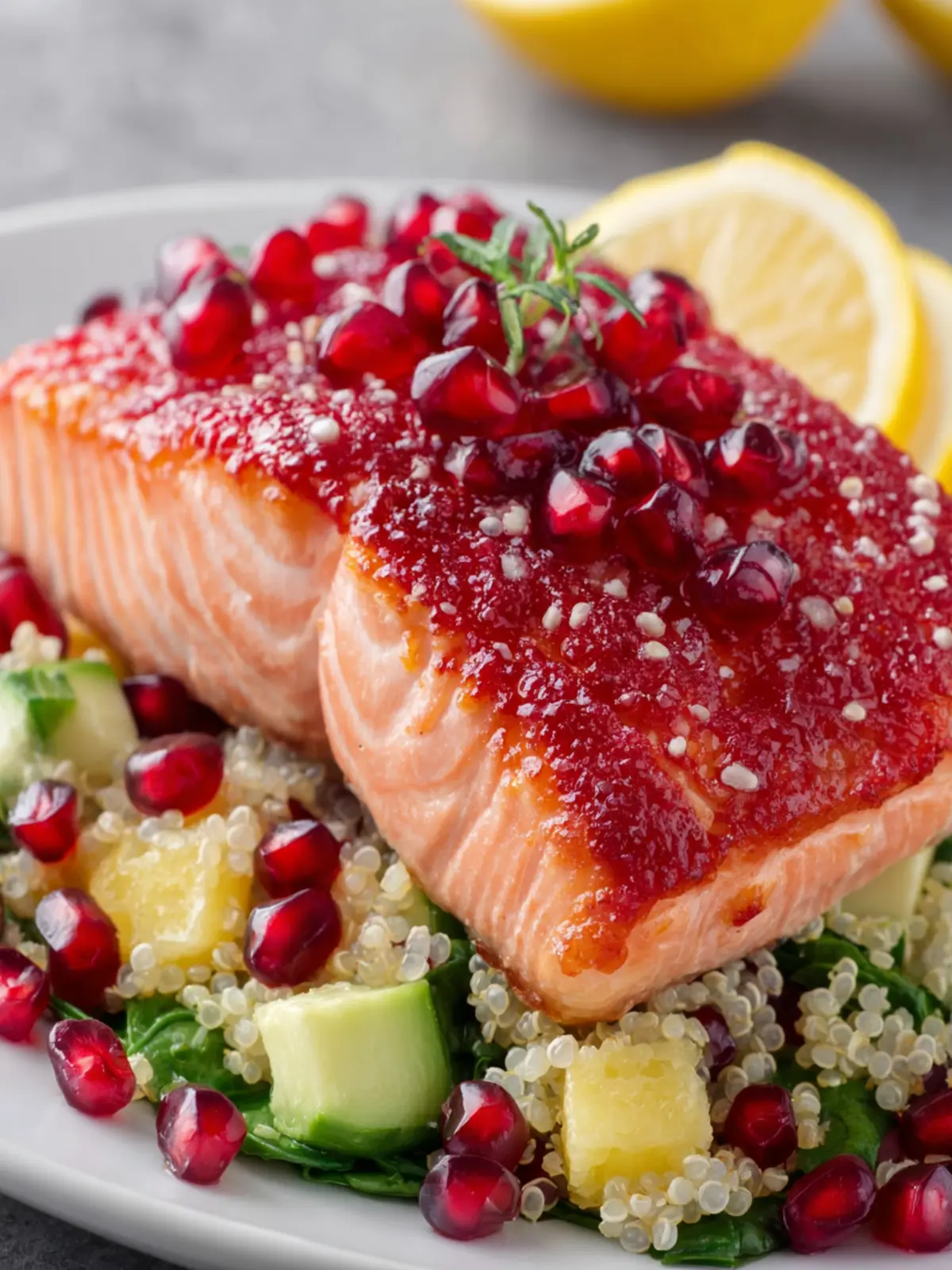
Key Ingredients for Homemade Meals
Creating a memorable meal starts with choosing the right ingredients, and navigating the aisles of your local grocery store can feel like an adventure. You’ll be amazed at how the right selections can not only enhance the flavors but also nourish your body!
Fresh Vegetables
Fresh vegetables are the backbone of any healthy dish. They bring crunch, vibrant color, and a wealth of nutrients to your meal. When I plan my recipes, I often grab seasonal produce for maximum flavor and to support local farmers. From crisp bell peppers to leafy greens, the freshness elevates every bite.
Protein
When it comes to protein, the options are endless. Whether it’s chicken, tofu, or legumes, the sourcing matters. I often gravitate towards chicken breast for its versatility, but don’t hesitate to explore different protein options to suit your mood or dietary needs. These ingredients transform your meals into fulfilling experiences.
Whole Grains
Whole grains are essential for fiber and nutrients. I usually reach for brown rice or quinoa, both of which add a nutty flavor and hearty texture to my plates. Plus, they keep you feeling satisfied longer, making them a smart addition to any recipe.
Herbs and Spices
Herbs and spices are the secret weapons in my kitchen! A sprinkle of fresh basil or a dash of cumin can elevate a simple dish to extraordinary levels. These flavor boosters turn an everyday meal into something truly special with just a small effort.
Healthy Fats
Don’t forget about healthy fats! Olive oil or avocado not only enhance taste but also promote satiety. I find that drizzling olive oil over my dishes makes everything feel indulgent while keeping it wholesome. These fats help round out your meals while adding richness that can’t be beat.
By paying attention to these key ingredients, you can transform everyday staples into extraordinary, home-cooked meals. Enjoy the process of cooking and exploring new flavors!
Why You’ll Love This Recipe
This Fresh Pineapple Upside Down Cake recipe will surely become your go-to dessert for gatherings, lazy weekends, and even weeknight cravings. Picture this: a cake that not only tastes divine but also turns heads when you unveil it upside down, revealing caramelized pineapple slices glistening under soft, golden cake. It’s a celebration of flavors and textures in every bite!
-
A Treat for the Senses: The aroma of butter, sugar, and fresh pineapple wafting through your kitchen will make your mouth water. Nothing beats the moment you take it out of the oven! Opting for fresh pineapple enhances the vibrant, tart notes that canned varieties just can’t match.
-
Simple and Satisfying: Unlike many layered or complex desserts, this recipe keeps it easy and straightforward. Whether you’re a kitchen novice or a seasoned baker, the steps are simple, ensuring a stress-free cooking experience.
-
Versatile Delight: This cake is perfect for all occasions—from birthdays to brunch. Topped with whipped cream or a scoop of vanilla ice cream, it becomes an indulgent treat. Plus, it’s an impressive dessert that doesn’t scream “effort”—perfect for impressing friends or family on a casual evening.
With its delightful combination of flavors and textures, it’s impossible not to fall in love with this Fresh Pineapple Upside Down Cake recipe!

Variations
Exploring different variations can make your Fresh Pineapple Upside Down Cake experience even more exciting. The beauty of this recipe is its adaptability, allowing you to infuse your personal touch while maintaining its essential charm.
Tropical Twist
Why not elevate the tropical vibes by adding additional fruits? Chopped mangos or sliced bananas can complement the pineapple beautifully, creating a vibrant topping. Just sauté the fruits briefly in butter and brown sugar before layering them in the pan.
Flour Choice
If you’re looking to alter the texture, consider experimenting with flour types. Almond flour can lend a lovely nutty flavor, while coconut flour offers a unique tropical flair. Each alternative brings its own character to the cake.
Flavor Infusions
Infuse your cake with different flavor profiles. Try adding a splash of coconut milk to the batter or mix in some toasted coconut flakes for added texture. Almond or pineapple extracts can also boost the cake’s fragrance and taste.
Spice It Up
Feel free to adjust the spices! A bit of nutmeg or ginger can add warmth and depth, making each bite intriguing. Your variations may just lead to a signature twist that defines your own Fresh Pineapple Upside Down Cake.
Cooking Tips and Notes
Creating a delightful Fresh Pineapple Upside Down Cake goes beyond simply following a recipe; it’s about making each ingredient shine. Here are some tips to elevate your baking experience:
Choosing Your Pineapple Wisely
Using fresh pineapple not only enhances the flavor but also brings a vibrant acidity that can’t be matched by canned varieties. When you slice your pineapple, aim for even thickness to ensure uniform cooking and presentation. Did you know that the best ripe pineapples have a fragrant aroma at the base? That’s a powerful indicator of sweetness.
Butter: The Secret to Decadence
The role of butter is twofold in this recipe. First, when greased on the pan, it fosters a beautiful caramelization with the brown sugar. Use unsalted butter for better control over the cake’s overall saltiness.
The Perfect Egg Technique
For a cake that’s light and fluffy, consider separating your eggs. This might sound like extra work, but it’s what keeps your cake from spilling over. By mixing the beaten yolks with sugar and butter, you’re creating a rich base, while the fluffy egg whites added at the end contribute to that perfect, airy structure.
Flour Choices Matter
While all-purpose flour works great here, don’t hesitate to experiment with a gluten-free alternative. A 1:1 blend can yield excellent results, ensuring everyone can enjoy this delightful treat.
By keeping these tips in mind, you’re on your way to baking a cake that will wow your friends and family! Happy baking!

Serving Suggestions
When you whip up a delicious dish like Fresh Pineapple Upside Down Cake, the way you present it can elevate the experience. Picture this: your friends or family walk into the room smelling that sweet aroma, and you present the cake with flair. Here are some delightful serving suggestions that can make your cake shine.
-
Accompaniments: Serve your cake with a dollop of freshly whipped cream or a scoop of vanilla ice cream for an extra indulgent treat. The creaminess balances beautifully with the cake’s caramelized pineapple topping.
-
Flavor Enhancements: A drizzle of caramel sauce or a sprinkle of toasted coconut can add a unique twist. If you’re a fan of citrus, a light dusting of powdered sugar mixed with lime zest introduces a refreshing note.
-
Presentation: Consider garnishing with fresh mint leaves or edible flowers for a pop of color, making it not just a dessert but a centerpiece.
These simple additions turn your Fresh Pineapple Upside Down Cake into a memorable event, creating a dish that not only tastes great but looks spectacular too!
Time Breakdown for Homemade Meals
Creating a homemade meal can be a rewarding journey. For those busy weekdays when you crave something delicious without the takeout dilemma, understanding the time involved is crucial. Here’s how your time stacks up for this delightful recipe.
Preparation Time
Preparation typically takes about 20 minutes. This includes chopping your ingredients and gathering everything you need, making the process smooth and efficient.
Cooking Time
Once you’ve prepped, the cooking time is around 40 minutes. This is when the magic happens, and your kitchen will fill with wonderful aromas.
Total Time
In total, you’re looking at about 1 hour. This includes both prep and cooking, meaning you can enjoy a wholesome homemade meal without spending all evening in the kitchen.
Nutritional Facts for Homemade Meals
Making homemade meals is a fulfilling and delicious way to ensure you know what goes into your food. Not only can you control the ingredients, but you also have the power to customize flavors to your liking. Here’s a quick look at the nutritional benefits of the meals you create:
Calories
A serving of your homemade meal typically ranges between 300 to 600 calories, depending on the recipe and portion size. It’s always good to be mindful of what you’re consuming without sacrificing flavor or satisfaction.
Protein
Homemade meals can be an excellent source of protein, boosting energy and keeping you full longer. Many recipes include ingredients like lean meats, legumes, or dairy, providing anywhere from 15 to 40 grams of protein per serving.
Sodium
One of the greatest advantages of preparing your meals is the control over sodium levels. While store-bought meals can pack in excess sodium, homemade options often contain just 200 to 800 milligrams per serving when prepared with fresh ingredients, significantly lower than many processed foods.
By being aware of these nutritional facts, you enhance not only your cooking skills but also your overall health and well-being!
FAQs about Homemade Meals
Creating homemade meals opens up a world of flavor, nutrition, and creativity right in your own kitchen. Whether you’re whipping up a quick weeknight dinner or exploring new culinary territory, cooking at home is a rewarding experience.
What are the benefits of cooking at home?
Cooking at home offers numerous benefits. Firstly, it gives you complete control over the ingredients, allowing you to prioritize fresh, whole foods that suit your dietary needs. Additionally, meals prepared at home tend to be healthier and more balanced, often containing less salt and sugar than takeout options. Studies show that people who cook at home frequently are often healthier and even save money in the long run!
How can I make meal prep easier?
Meal prep can seem daunting, but a few simple strategies can ease the burden:
- Plan Your Meals: Having a weekly plan saves time and reduces stress.
- Batch Cooking: Prepare larger batches of grains, proteins, or vegetables, and use them throughout the week in different dishes.
- Make Use of Containers: Invest in quality containers that make storing and reheating meals easy.
What equipment do I need to start cooking?
Getting started in the kitchen doesn’t have to be complicated. Here’s a basic list of essential equipment:
- Sharp Knives: Invest in a good chef’s knife for chopping and slicing.
- Cutting Boards: Having a separate board for meats and vegetables helps avoid cross-contamination.
- Cookware: A sturdy skillet, pot, and baking dish will cover most recipes.
- Mixing Bowls: These are handy for combining ingredients and prepping.
- Measuring Tools: Accurate measurements help ensure your meals turn out as expected.
With these tips, you’ll be well on your way to mastering the art of homemade meals!
Conclusion on Homemade Meals
Creating homemade meals is a journey that deepens connections with ourselves and those we love. There’s something truly magical about transforming simple ingredients into delightful dishes that evoke nostalgia and comfort. Whether it’s the aroma of fresh herbs or the sizzle of a pan, preparing food at home encourages creativity and mindfulness. By taking the time to cook, not only do we nourish our bodies, but we also enrich our relationships. So, the next time you venture into the kitchen, remember that each homemade meal is a chance to share something special—both on the plate and in your heart.
Print
Recipe
- Total Time: 50 minutes
- Yield: 8 servings 1x
- Diet: Vegetarian
Description
A delicious and easy-to-follow recipe.
Ingredients
Scale
- 1 cup sugar
- 2 cups flour
- 1 teaspoon baking powder
- 1/2 teaspoon salt
- 1 cup milk
- 2 large eggs
- 1/2 cup butter
Instructions
- Preheat the oven to 350°F (175°C).
- In a bowl, mix together the sugar, flour, baking powder, and salt.
- In another bowl, whisk together the milk, eggs, and melted butter.
- Combine the wet and dry ingredients and mix until smooth.
- Pour the mixture into a greased baking dish.
- Bake for 30-35 minutes or until golden brown.
- Let cool before serving.
Notes
- Can be served warm or at room temperature.
- Add vanilla extract for extra flavor.
- Prep Time: 15 minutes
- Cook Time: 35 minutes
- Category: Desserts
- Method: Baking
- Cuisine: American
Nutrition
- Serving Size: 1 slice
- Calories: 200
- Sugar: 15g
- Sodium: 200mg
- Fat: 8g
- Saturated Fat: 5g
- Unsaturated Fat: 2g
- Trans Fat: 0g
- Carbohydrates: 30g
- Fiber: 1g
- Protein: 3g
- Cholesterol: 40mg